
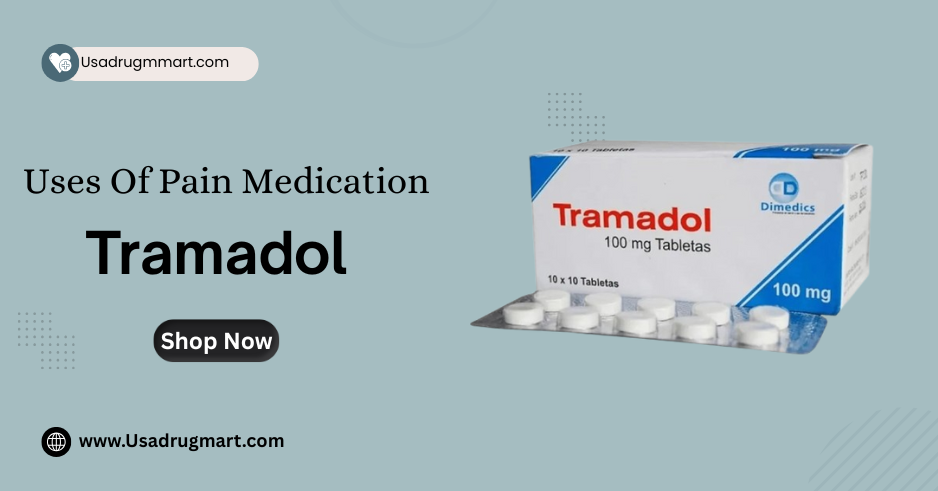
Pain management is a vital component of modern healthcare, especially for individuals experiencing moderate to moderately severe pain that interferes with daily life. Whether pain is caused by injury, surgery, or a chronic medical condition, effective treatment can significantly improve quality of life. One medication frequently discussed in this context is Tramadol.
Understanding what Tramadol is used for, how it works, its benefits, and its potential risks is essential for patients, caregivers, and anyone exploring pain relief options.
Understanding Tramadol as a Pain Medication
Tramadol is a prescription pain reliever commonly used when other treatments, such as nonsteroidal anti-inflammatory drugs (NSAIDs) like ibuprofen or naproxen, do not provide adequate relief. It belongs to a class of medications known as opioid analgesics, though it differs from traditional opioids in how it works.
Unlike stronger opioids such as morphine or oxycodone, Tramadol is often prescribed as a step-up treatment. It is typically considered when over-the-counter pain relievers are no longer effective but stronger opioid medications may not yet be necessary.
Because of its unique action and moderate strength, Tramadol occupies an important position in pain management strategies.
What Is Tramadol Used For?
Treatment of Moderate to Moderately Severe Pain
The most common use of Tramadol is to relieve moderate to moderately severe pain. Doctors may prescribe it for a wide range of conditions, including:
-
Post-surgical pain
-
Injury-related pain, such as sprains or fractures
-
Pain following dental procedures
-
Pain caused by medical treatments
It is often selected when pain significantly affects daily activities like walking, sleeping, or working but does not require high-dose opioid therapy.
Chronic Pain Conditions
Tramadol may also be used as part of a long-term pain management plan for individuals living with chronic pain. Examples include:
-
Osteoarthritis
-
Chronic lower back pain
-
Joint pain related to wear and tear
-
Certain nerve-related pain conditions
Because chronic pain treatment requires careful balance, healthcare providers usually prescribe Tramadol at the lowest effective dose and monitor patients closely to reduce risks.
Pain Management When NSAIDs Are Not Suitable
Some patients cannot take NSAIDs due to stomach ulcers, kidney disease, cardiovascular concerns, or allergic reactions. In these cases, Tramadol which is FDA approved , may be considered as an alternative when prescribed and monitored by a licensed healthcare professional.
How Does Tramadol Work in the Body?
Tramadol works through a dual mechanism, which makes it different from many other pain medications.
Opioid Receptor Activity
Tramadol binds to specific opioid receptors in the brain and spinal cord. This interaction helps reduce the perception of pain and alters how the body responds to discomfort.
Neurotransmitter Regulation
In addition to opioid receptor binding, Tramadol affects levels of serotonin and norepinephrine, two neurotransmitters involved in pain signaling and mood regulation. By influencing these chemical messengers, Tramadol enhances pain relief through multiple pathways.
This combination contributes to its effectiveness for certain types of pain while distinguishing it from traditional opioids.
Available Forms of Tramadol
Tramadol is available in several prescription formulations, allowing doctors to tailor treatment to individual needs:
-
Immediate-release tablets, used for short-term or acute pain
-
Extended-release tablets or capsules, designed for continuous pain control
-
Oral solutions, sometimes prescribed for patients who have difficulty swallowing tablets
The choice of formulation depends on factors such as pain severity, duration, medical history, and response to treatment.
Benefits of Tramadol in Pain Management
Effective Pain Relief
When taken exactly as prescribed, Tramadol can significantly reduce pain levels, improve physical function, and enhance overall comfort. Many patients report better mobility and improved ability to perform daily tasks.
Lower Potency Compared to Strong Opioids
Tramadol is generally considered less potent than stronger opioid medications. This makes it a potential option before escalating to more powerful pain relievers, helping some patients avoid higher opioid exposure.
Flexible Dosing Options
Doctors can adjust Tramadol dosing based on pain severity, treatment goals, and patient response. This flexibility is particularly helpful for individuals transitioning from other pain therapies.
Important Safety and Risk Considerations
Risk of Dependence and Misuse
Although Tramadol is often perceived as milder than other opioids, it still carries a risk of dependence and misuse, especially when taken in higher doses or for extended periods. Patients should always follow prescribed instructions carefully.
Possible Side Effects
Like all medications, Tramadol can cause side effects. Common ones include:
- Dizziness
- Nausea
- Constipation
- Drowsiness
More serious side effects, such as breathing problems, confusion, or severe allergic reactions, require immediate medical attention.
Drug Interactions
Tramadol may interact with antidepressants, sedatives, muscle relaxants, and other medications. These interactions can increase the risk of serious complications, including serotonin syndrome or respiratory depression. Always inform your doctor about all medications and supplements you are taking.
Prescription Rules and Legal Status in the USA
In the United States, Tramadol is classified as a Schedule IV controlled substance under federal law. This classification means:
-
A valid prescription from a licensed healthcare provider is required
-
Dosage and refill limits are regulated
-
Medical supervision is necessary
Responsible Use of Tramadol
Follow Your Doctor’s Instructions
Always take Tramadol exactly as prescribed. Do not increase the dose, take it more frequently, or stop suddenly without consulting your healthcare provider.
Avoid Alcohol and Certain Medications
Combining Tramadol with alcohol, sleeping pills, or sedatives can significantly increase the risk of dangerous side effects, including slowed breathing and loss of consciousness.
Regular Monitoring and Follow-Ups
For patients using Tramadol long-term, doctors may schedule regular checkups to evaluate pain control, side effects, and overall treatment effectiveness. Monitoring helps ensure safe and responsible use.
Alternatives to Tramadol for Pain Relief
Depending on the condition and individual needs, alternatives to Tramadol may include:
-
Physical therapy and exercise programs
-
Non-opioid pain relievers
-
Lifestyle modifications such as weight management and stress reduction
-
Interventional pain treatments, including injections or nerve blocks
Pain management is often most effective when medication is combined with non-drug approaches.
Final Thoughts: Is Tramadol Right for You?
Tramadol plays an important role in modern pain management when used responsibly and under medical supervision. It can provide effective relief for moderate to moderately severe pain while offering more flexibility than stronger opioid medications.
If you are experiencing ongoing or worsening pain, the best next step is to consult a licensed healthcare provider. A medical professional can evaluate your condition, discuss potential risks and benefits, and determine whether Tramadol or another treatment option is appropriate for your specific needs.
FAQ Section
Frequently Asked Questions About Tramadol
Is Tramadol commonly prescribed in the USA?
Yes, Tramadol is prescribed in the United States for moderate to moderately severe pain under medical supervision.
Is Tramadol considered an opioid?
Tramadol is classified as an opioid analgesic with additional effects on brain neurotransmitters.
Do you need a prescription for Tramadol in the US?
Yes, Tramadol requires a valid prescription from a licensed healthcare provider.
Can Tramadol be used for long-term pain?
In some cases, doctors may prescribe it short- or long-term with careful monitoring.

Leave a Reply