
Introduction
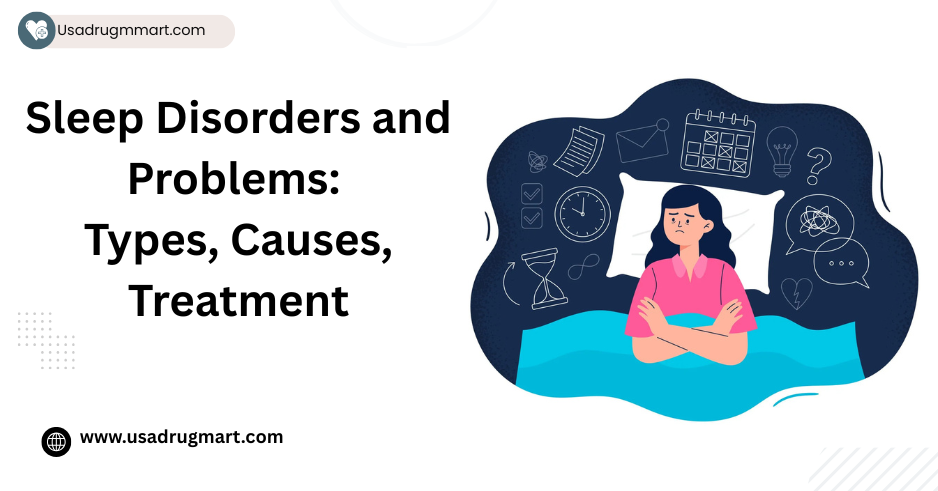
Sleep plays a vital role in keeping our bodies healthy and our minds refreshed. It allows us to recharge, repair, and prepare for the next day. But when sleep doesn’t come easily, it can affect mood, focus, energy levels, and overall quality of life. Sleep problems are common and can affect people of all ages—from children to older adults.
Some individuals struggle to fall asleep, while others wake up repeatedly during the night or feel unrested even after sleeping for several hours. Stress, poor sleep habits, and underlying health conditions are among the most common causes. In this guide, we’ll explore different types of sleep disorders, what causes them, and the most effective treatment options.
Understanding sleep disorders is the first step toward better rest and improved daily well-being. Let’s take a closer look at sleep problems and how they can be managed effectively.
What Is a Sleep Disorder?
A sleep disorder is a condition that interferes with your ability to get consistent, quality sleep. It may cause difficulty falling asleep, staying asleep, or achieving restorative rest. People with sleep disorders often feel tired during the day, struggle with concentration, and may feel irritable or emotionally drained.
Sleep disorders can affect anyone and may be triggered by stress, unhealthy routines, medical conditions, or medications. Common sleep disorders include insomnia, sleep apnea, and restless legs syndrome. Each condition affects sleep differently but can significantly impact physical and mental health.
If sleep problems persist, consulting a healthcare professional is important. Proper diagnosis can help identify the cause and determine the best treatment plan.
Types of Sleep Problems
Insomnia
Insomnia is one of the most common sleep disorders. It involves difficulty falling asleep, staying asleep, or waking up too early and being unable to return to sleep. People with insomnia often feel exhausted during the day. Insomnia may be short-term, caused by temporary stress, or chronic, lasting for months or longer.
Sleep Apnea
Sleep apnea occurs when breathing repeatedly stops and starts during sleep, disrupting rest throughout the night. This condition often leads to excessive daytime sleepiness.
There are two main types:
-
Obstructive Sleep Apnea: Caused by relaxed throat muscles blocking the airway
-
Central Sleep Apnea: Occurs when the brain fails to send proper signals to control breathing
Restless Legs Syndrome (RLS)
Restless legs syndrome causes an uncontrollable urge to move the legs, usually due to uncomfortable sensations. Symptoms typically worsen at night, making it difficult to fall asleep or stay asleep.
Causes of Sleep Problems
Stress and Anxiety
Worrying thoughts and emotional stress can keep the mind active at night, making it difficult to relax and fall asleep.
Poor Sleep Habits
Using electronic devices before bed, irregular sleep schedules, and an uncomfortable sleep environment can disrupt natural sleep patterns.
Medical Conditions
Health issues such as asthma, arthritis, chronic pain, or acid reflux may interfere with sleep quality.
Medications
Some medications can cause insomnia or sleep disturbances as a side effect. A healthcare provider may help adjust treatment if this occurs.
Caffeine and Alcohol
Caffeine stimulates the nervous system and can delay sleep, while alcohol may cause fragmented sleep later in the night.
Best Treatment for Insomnia
Healthy Sleep Habits
-
Maintain a consistent sleep and wake schedule
-
Keep the bedroom dark, quiet, and comfortable
-
Avoid screens before bedtime
Relaxation Techniques
-
Deep breathing exercises
-
Meditation or gentle stretching
-
Reading or taking a warm bath
Medications
If lifestyle changes aren’t effective, a doctor may prescribe sleep medication. These should always be used as directed.
Sleep Disorder Treatment Options
Insomnia Treatment
-
Consistent sleep routine
-
Relaxation techniques
-
Cognitive behavioral therapy
-
Doctor-prescribed sleep medications
Sleep Apnea Treatment
-
CPAP therapy to keep airways open
-
Weight management and lifestyle changes
-
Surgery in severe cases
Restless Legs Syndrome Treatment
-
Medications to reduce symptoms
-
Regular physical activity
-
Avoiding caffeine and nicotine
Narcolepsy Treatment
-
Medications to improve daytime alertness
-
Structured sleep schedules
- Sleepwalking Treatment
-
Home safety precautions
-
Medications when necessary
Excessive Sleeping Treatment
-
Identifying underlying health issues
-
Maintaining a regular sleep schedule
Conclusion
Sleep disorders can significantly affect daily life, energy levels, and emotional well-being. Understanding the different types of sleep problems, their causes, and available treatments can help you take control of your sleep health.
Healthy lifestyle choices, good sleep habits, and professional medical guidance play a key role in effective sleep disorder treatment. If symptoms persist, seeking expert help is essential.
At Usadrugmart.com, we support overall wellness by offering trusted information and treatment options related to sleep health and beyond. Prioritize your rest—because better sleep leads to a better life.

Leave a Reply